

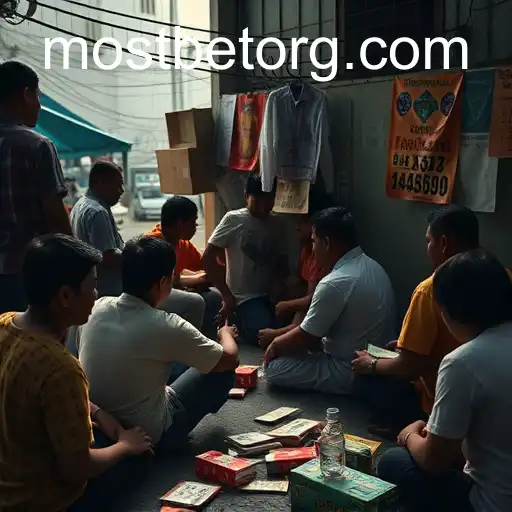

Jueteng is a widely acknowledged illegal numbers game endemic to the Philippines. With roots tracing back to the Spanish colonial era, this game has transcended decades, embedding itself deeply within certain socio-economic and cultural fabrics of the country. Despite being unlawful, Jueteng thrives under the radar, fueled by a complex mix of cultural acceptance, corruption, and economic desperation.
Originating during the Spanish era, Jueteng has maintained its allure over the years owing to its seemingly simplistic mechanics and potential for immediate financial gratification. The game typically involves selecting two numbers between 1 and 37, hoping they will match the result from a random draw. This straightforward format has made it accessible to a broad audience, especially in less affluent communities.
While the game has been outlawed due to its association with corruption and funding illicit activities, efforts to eradicate Jueteng have often been met with resistance. It embodies more than just a form of gambling; Jueteng represents resilience against systemic inequality and a quick escape from poverty for many Filipinos.
Jueteng's pervasive nature can primarily be attributed to its socio-economic impact. For individuals in low-income brackets, it offers the allure of quick money, a chance to dream beyond their daily struggles. However, the reality often turns out to be harsh, with many players falling into further financial difficulties due to repeated losses.
From a broader perspective, Jueteng has fostered an underground economy, creating jobs and generating significant cash flow that bypasses the formal financial system. This economy, while beneficial in the short term for specific individuals and groups, deprives the country of potential tax revenues and fosters an environment where law enforcement is frequently undermined by under-the-table dealings.
As technology continues to revolutionize various aspects of life, the gambling landscape is no exception. The advent of online gambling platforms, such as MostBet, signifies a shift in how games of chance are accessed and perceived globally.
MostBet is an online gambling platform that has gained popularity due to its wide array of betting options, ranging from sports to traditional casino games. The platform's convenience, offering gambling opportunities at the click of a button, introduces a new paradigm in gaming culture.
The integration of MostBet into the gambling ecosystem represents the future of gaming, where traditional boundaries are continuously challenged and expanded. This transition not only speaks to technological advancements but also to changing consumer preferences that lean towards greater accessibility and a more personalized gambling experience.
While Jueteng and platforms like MostBet cater to different crowds, they share similarities in their core appeal: the potential for financial reward. However, the main distinction lies in accessibility and regulation. Unlike Jueteng, which operates outside the legal framework, platforms like MostBet are regulated, offering a safer and more accountable environment for gaming activities.
This regulation does not only enhance player security but also ensures that revenues generated can be tracked, taxed, and potentially reinvested into social programs. The challenge remains balancing accessibility with responsible gaming practices, a critical consideration as more players migrate online.
The juxtaposition of Jueteng and modern gambling platforms like MostBet highlights both enduring challenges and emerging opportunities within the gambling industry. The legal and cultural shadows under which Jueteng operates contrast sharply with the transparent and regulated environment of online platforms.
The persistence of Jueteng underscores the complexities surrounding gambling laws in the Philippines. Without comprehensive reforms addressing both the legal and cultural dimensions of gambling, the state is bound to grapple with the coexistence of formal and underground markets.
Online platforms face their own set of challenges, from regulatory scrutiny to technological threats such as cyberattacks. Developing a robust regulatory framework that aligns with rapidly evolving tech advancements is paramount for sustaining this sector's growth.
The ongoing popularity of illegal games like Jueteng provides an impetus for policymakers to explore reforms that bridge traditional practices with modern regulation. Legalizing and regulating these games could channel funds into public coffers while ensuring player protection, a strategy that has seen success in other jurisdictions worldwide.
For online platforms like MostBet, the opportunity lies in innovation, leveraging technology not only for user engagement but also for promoting responsible gaming. Features such as spending limits and self-exclusion tools can help mitigate addiction risks, creating a healthier gaming environment.
The interplay between Jueteng and modern platforms like MostBet reflects broader trends in gambling and societal dynamics. As digital platforms continue to rise, understanding these trends is crucial for stakeholders aiming to harness gambling's potential while minimizing its adverse impacts.

Explore the exciting world of LUCKYFORTUNES3x3, a popular game on the MostBet platform, and learn about its features, gameplay, and appeal in the context of the current gaming landscape.

Discover the innovative game 'WolfHiding', its engaging rules, and its connection to current events, with a focus on the intriguing keyword 'MostBet'.

Explore the enchanting world of RabbitsGrace, a mesmerizing new game that has captivated players with its unique narrative and engaging gameplay. Discover the rules and strategies that make it a standout experience in the gaming world.

Explore the thrilling features, gameplay, and rules of BookofRichesDeluxe, and learn how this captivating game can offer you an engaging gaming experience on MostBet.

Explore the exciting features, gameplay, and rules of FastFruits, a captivating online gaming experience embraced by many, along with the strategic insights provided by MostBet.

Delve into the thrilling world of FlamingPhoenix, a captivating game that combines strategic prowess and dynamic gameplay within the MostBet universe.
